
2026-01-09
Talking AI to a room of artists
The question I had no slide for
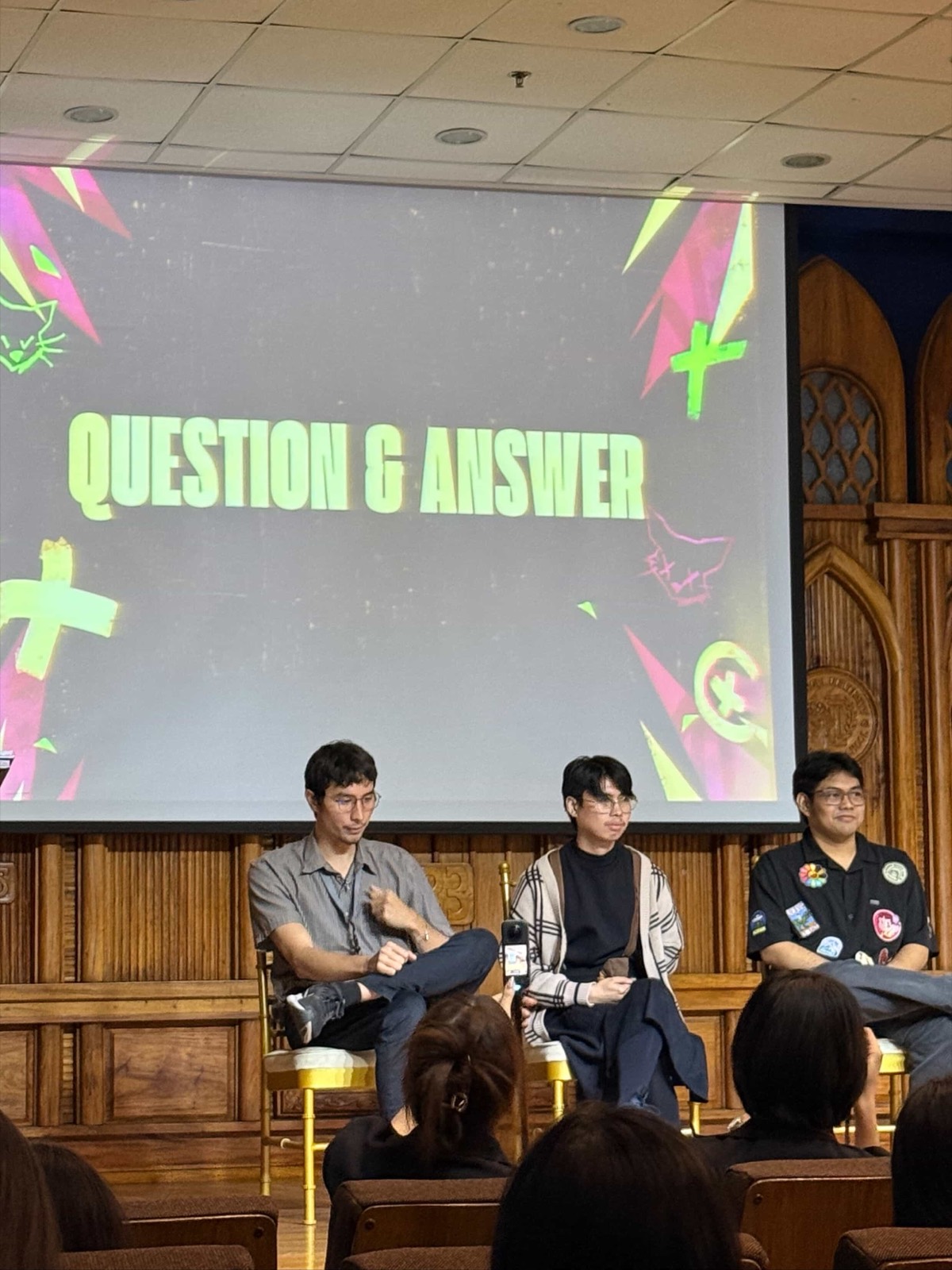
The talks were done and the three of us were back on stage for the Q and A, which is where the real seminar always happens. A student put up a hand and asked the one that actually mattered. Animation is having a rough time. The big studios are making the choices you have all seen them make. How are we supposed to feel about the thing we are still training for?
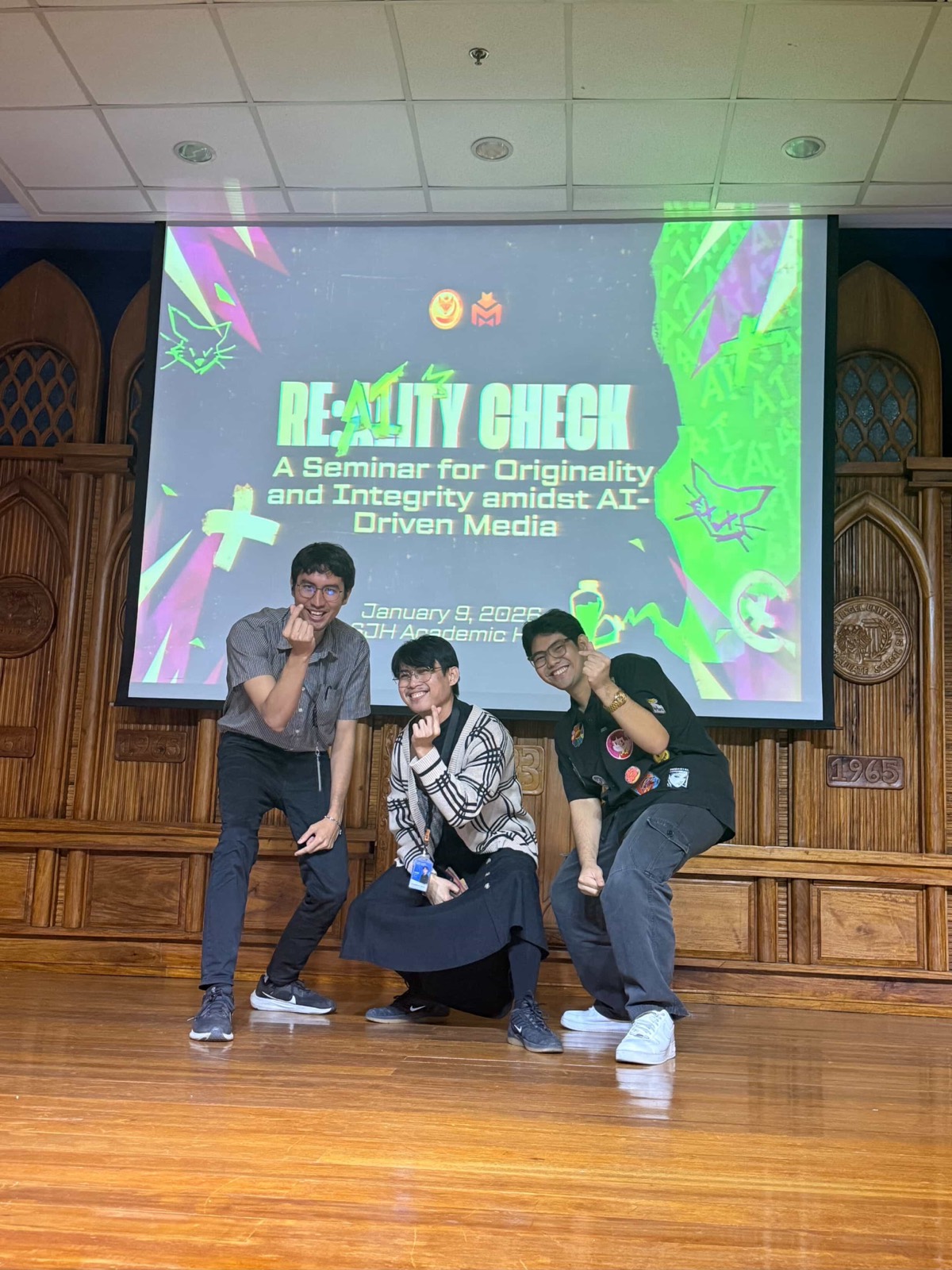
Worth saying who was being asked, and by whom. The hosts were MAFIA, the Multimedia Aficionados, the student organization for the Entertainment and Multimedia Computing program at Holy Angel University. Animators, designers, game people, editors. They put together a seminar called Re: AI-lity Check about originality and integrity in AI-driven media. And the person they handed the microphone to was a software engineer who uses these tools all day and says so publicly. There is a badge on every repo I own.
So the honest position was never "trust me, it is fine." It was "I know exactly what this thing does, and here is the part I would bet on."
What I told them, roughly:
Quality outlasts quantity. Right now those companies are making the decisions that look right on their spreadsheets. At the end of the day, our wallets vote.
The live-action Lion King made a mountain of money and still did not land the way the original did. Everybody could feel it was a cash grab, even the people who bought a ticket. That is the whole argument in one film. The same test is coming for their generation: when the slop remake of the movie they grew up on arrives, people will watch it once out of curiosity and then go back to the version with somebody's hand in it.
A model is a very good guess at what usually comes next. Work worth watching twice is the opposite of what usually comes next. It can copy the surface of a thing that has soul in it. It cannot want anything.
So the answer was not "resist" and it was not "adapt or die." It was the boring middle. AI enhances, it does not replace. Stay the director. Keep getting better at the part that is actually yours, because that is the part the machine is renting from you.
The rest of the half hour
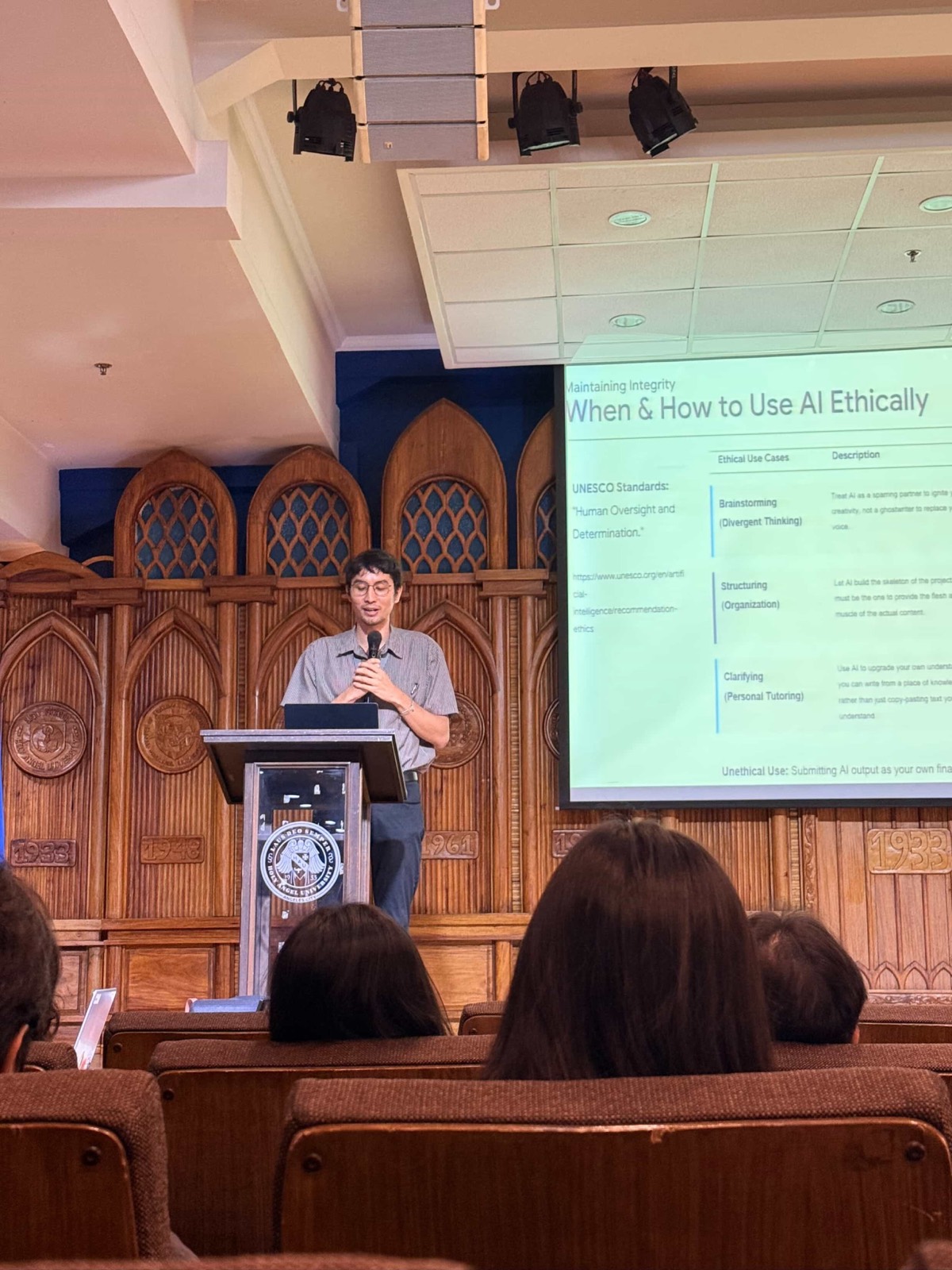
I opened with what these tools are and how they were built, including the parts nobody puts on the marketing page: training data taken without consent, nobody agreeing on who owns the output, terms of service quietly claiming your work for the next model. You cannot ask artists to think clearly about a tool while pretending it arrived clean.
Then the middle, which was mostly a warning. I had a slide about lawyers. In a room of animation students, at nine in the morning. It is a good story though: they filed a motion drafted with AI, it invented citations out of thin air, and they got to apologize to a federal judge for it. If that can happen to people with a license on the line, it can happen to a student at one in the morning who needed the thing submitted.
Learning is like muscle growth. You do not get stronger by watching someone else lift the weights.
The useful part was where the line sits. Use it to brainstorm, to organize the mess you already wrote, to explain the concept you did not get in class. All fine. All still yours. Turning in its draft as your own is the other side of the line, and the bill for that arrives later, at the critique you cannot survive or the interview where nobody can help you.
For their work specifically I gave the one case I actually believe in. Draw the master sprite yourself, then let the model grind out the in-between frames. That is fine when the grade is for game design and it is cheating when the grade is for animation principles. Same action, two different courses, two different answers. The context is the ethics, which is a less satisfying rule than students want and the only one that survives contact with real work.
What I would flag
The question of who stays in control when AI enters the room runs through Watch Its Hands, the plain-language version of my GRAIN argument.
The wallets line is a bet, not evidence. I am claiming something about what audiences do over years, and my own example cuts both ways: that remake made a fortune, which is exactly why studios keep green-lighting them. Survives is not the same as sells, and I was arguing the first one while standing next to proof of the second.
Also, I was a guest in someone else's industry. They know their field better than I do. I held my conclusions loosely on purpose.
The whole deck, footnotes and all, is at the top of this page. Thanks to the officers for the invitation, the certificate, and the questions.