2025-12-05
I handed out the criteria, then had to score them
Wednesday I gave the criteria, Friday I had to use them
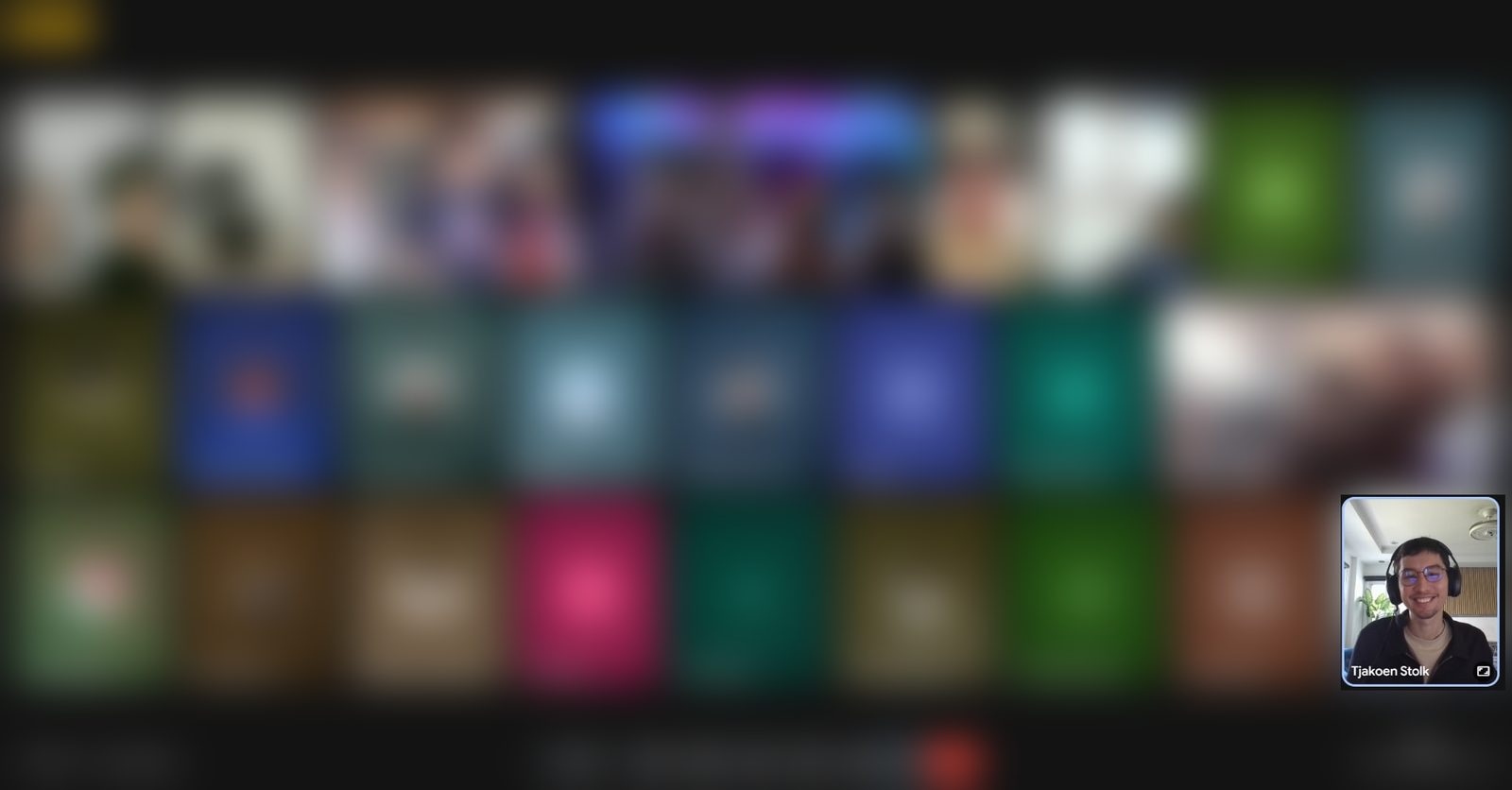
The ideation workshop is the opening act of a hackathon. You get an hour with teams who mostly have a vague idea and a lot of nerves, and the job is to help them pick something worth three days of their weekend. I did mine over a Meet call, to a wall of tiles.
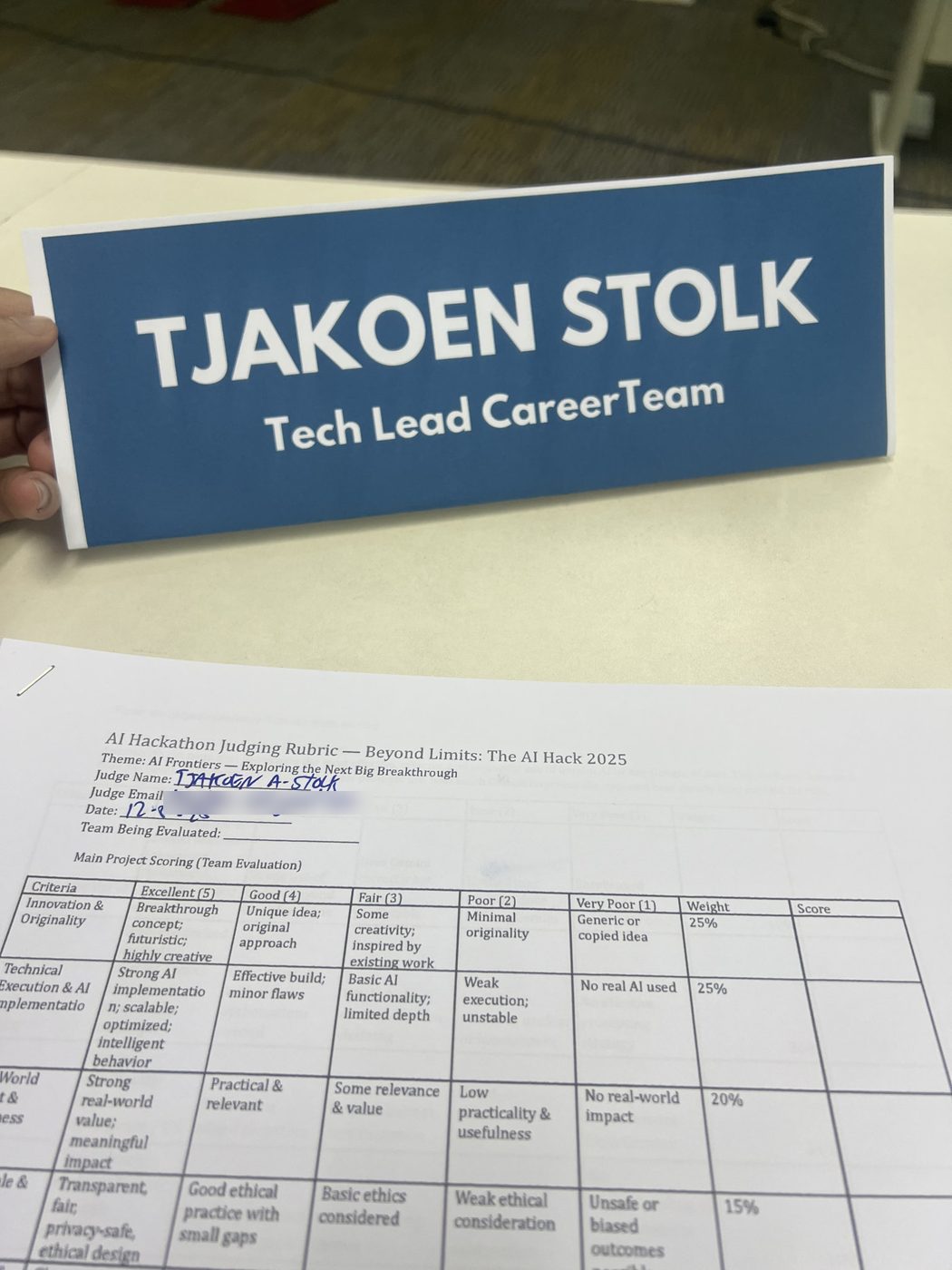
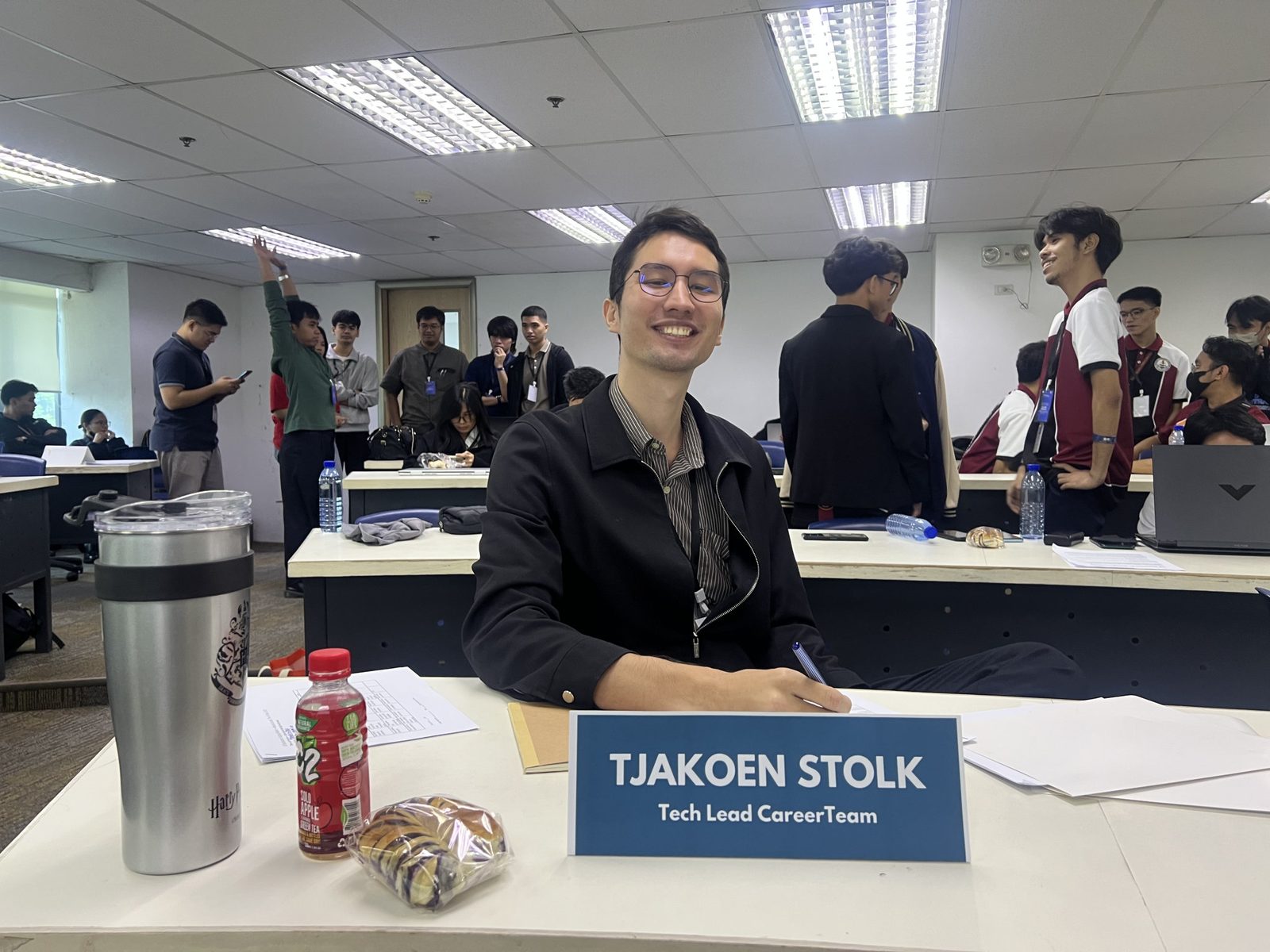
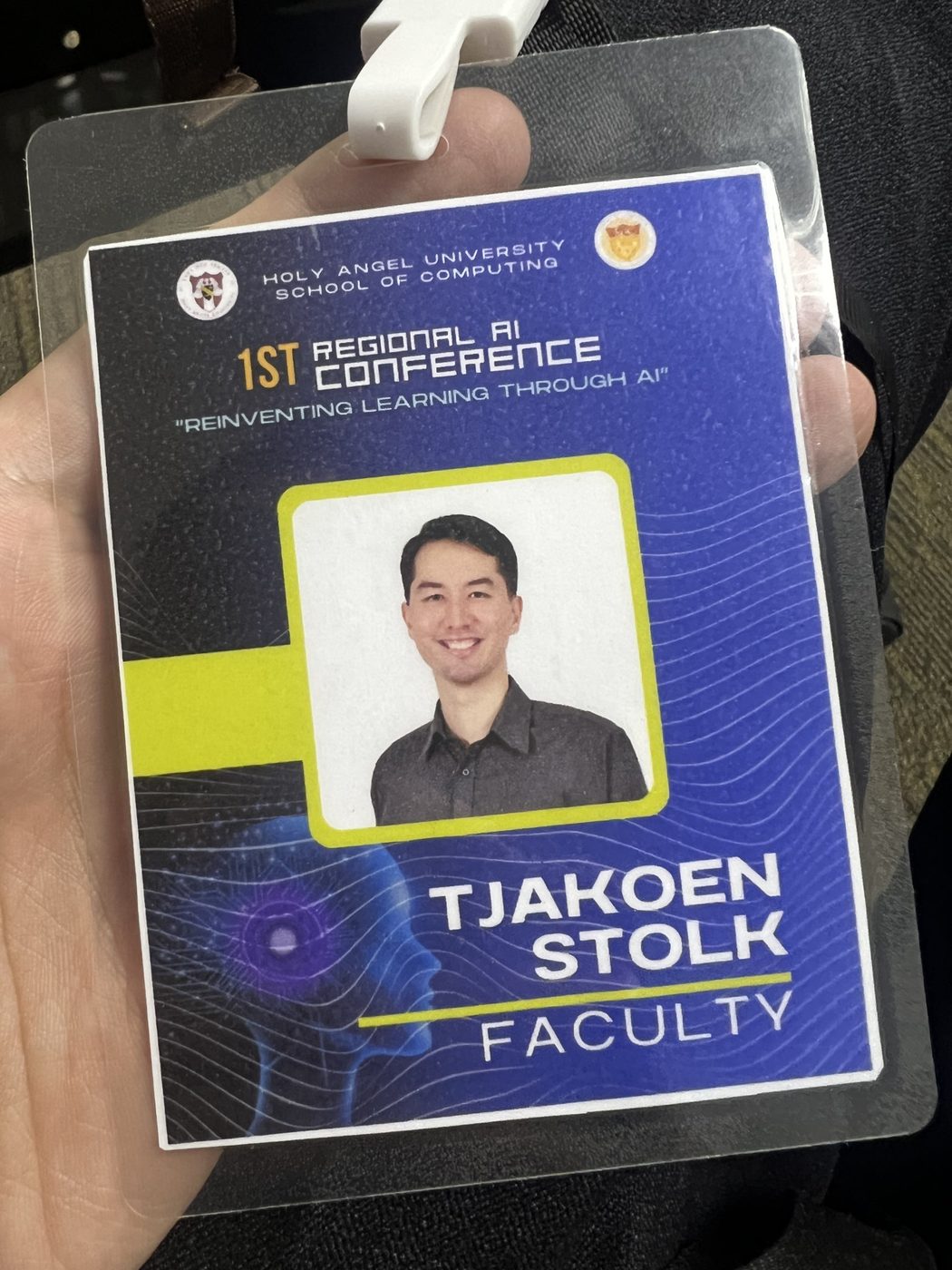
Two days later I was in PGN 310 behind a nameplate, with a scoring sheet in front of me carrying five criteria and their weights. Innovation, a quarter. Technical execution, a quarter. Real world impact, a fifth. Responsible AI, fifteen percent. Which is, near enough, the same speech I had given them with numbers stapled to it.
That is an uncomfortable seat. If a team followed my advice and still scored badly, one of us got it wrong, and in that room it was not going to look like them.
What I told them, in four questions
The whole hour compressed to a filter you can run on any idea in about ninety seconds.
Is it relevant? Does it solve a problem here. My rule was blunter than that: if it works in Silicon Valley but not in Pampanga, kill it. Smart trash cans are a great demo and nobody in the barangay is maintaining them.
Is it frontier? Or is it a chatbot with a new hat. An app that chats about recipes is boring. An app that looks at what is in your fridge and invents dinner is not, and the difference is not the model, it is whether the thing can see, reason, or actually go do something with a calendar or a map.
Is it feasible? Can the core feature exist by five o'clock tomorrow.
Simple app plus powerful concept beats complicated app plus buggy code.
Is it responsible? Not "did you add an ethics slide", but can the user find out why the thing told them what it told them. If the AI cannot cite where it got that, the user cannot take the risk.
The rest of the hour was the unglamorous half, which is the half that actually decides hackathons. Pick your folder structure before the timer starts, because your team has a limited supply of decision energy and naming things burns it. Clone a boilerplate. Stuck for fifteen minutes, stop and ask somebody, because one person quietly sinking is how a whole team loses six hours.
What the floor actually looked like
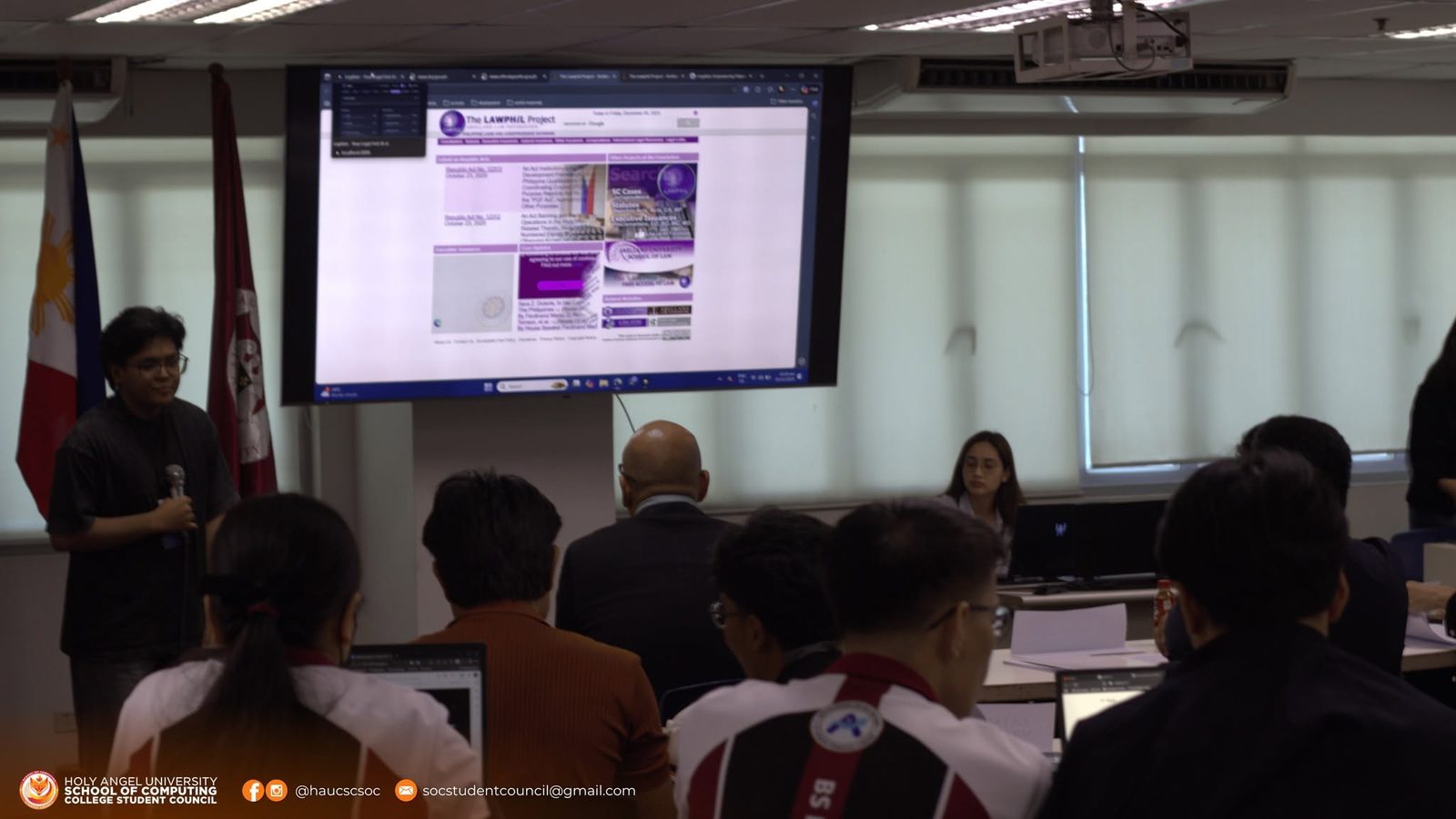
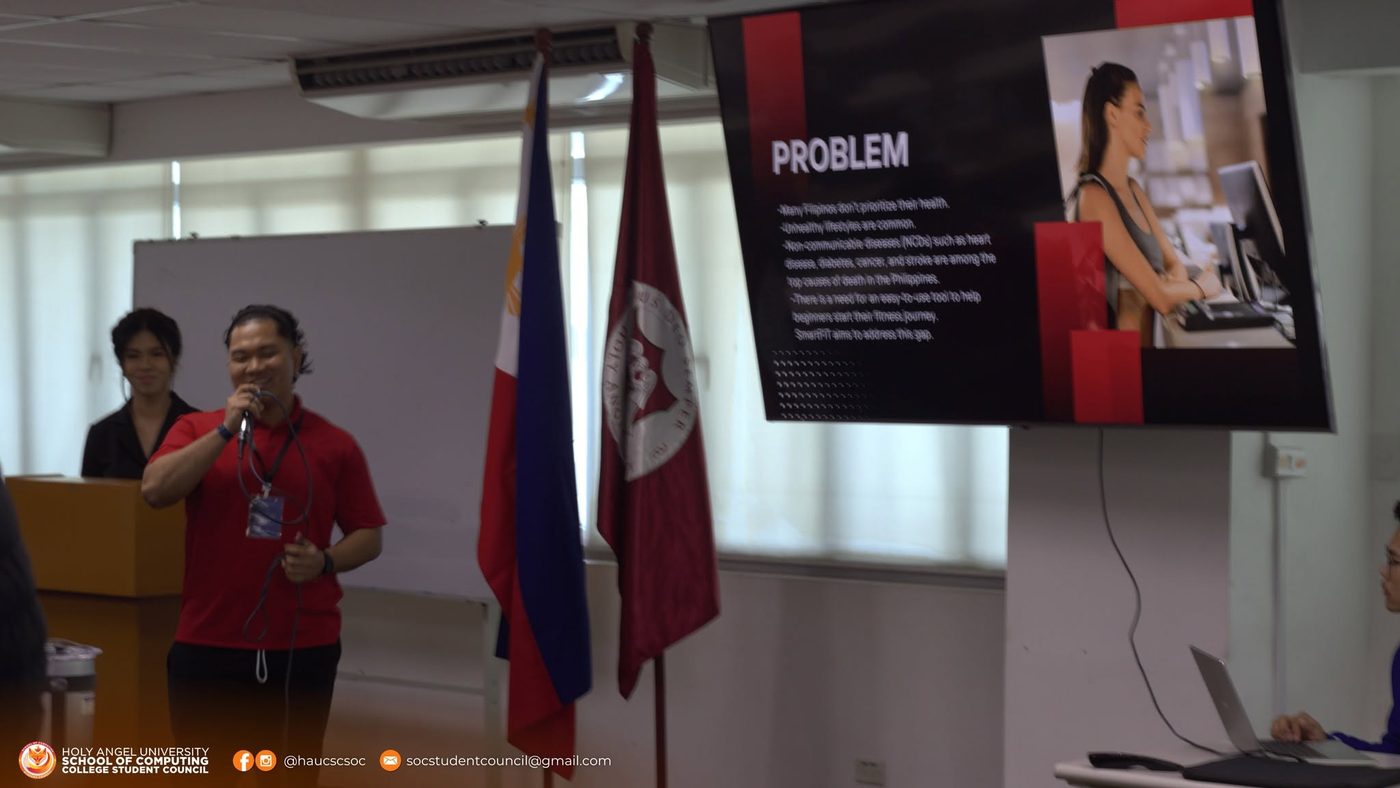
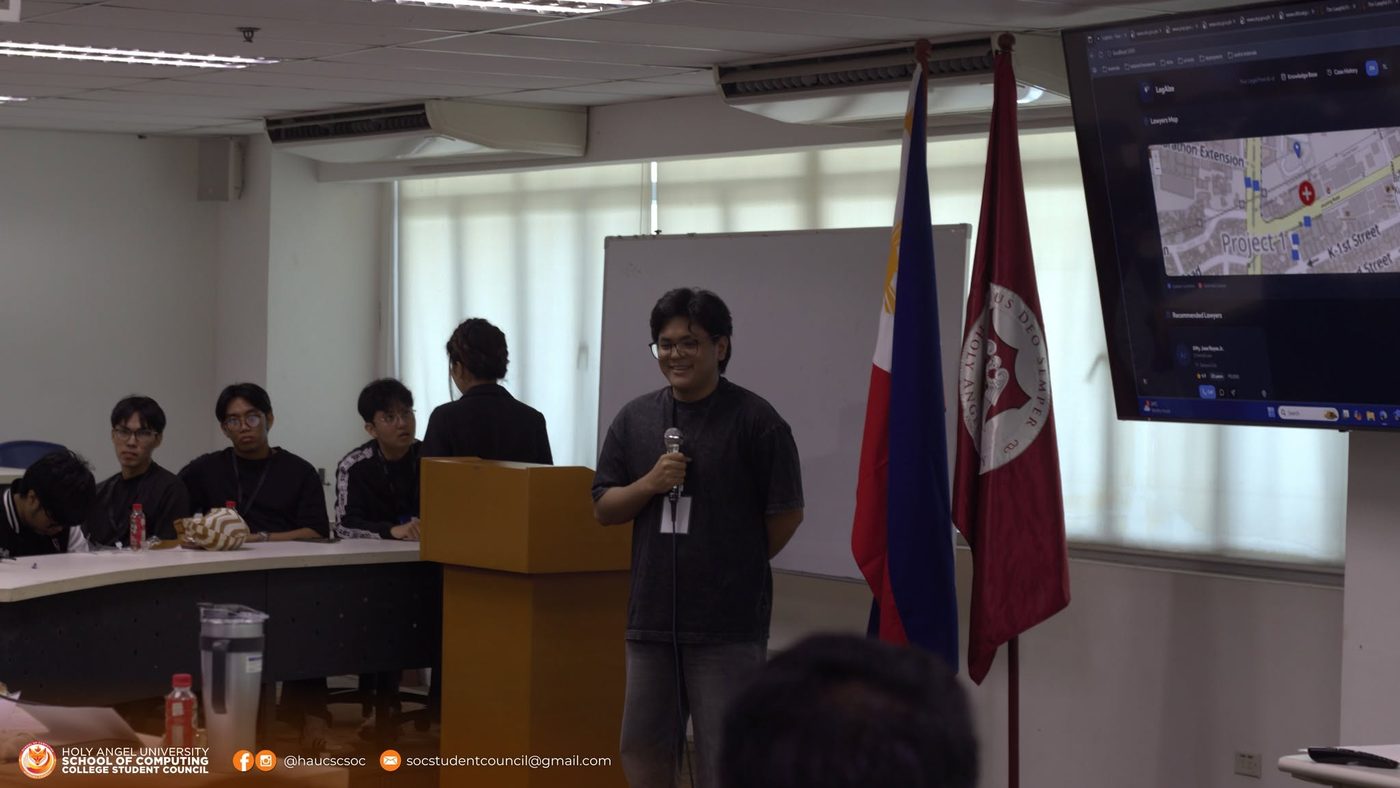
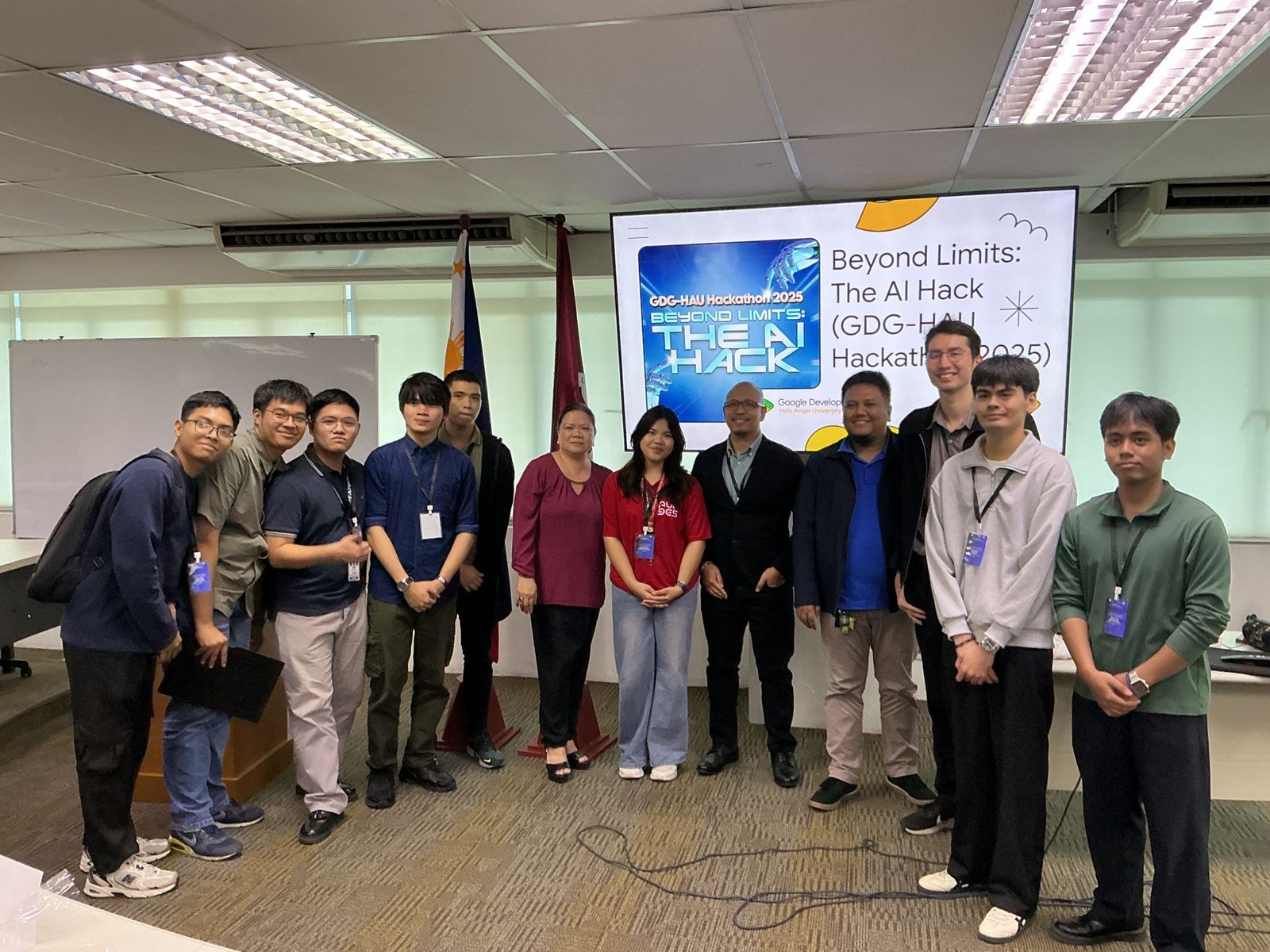
Ten teams, from several schools in the region, running through the same weekend. The projects were more grounded than I expected. A fitness app aimed at how few Filipinos treat exercise as preventive care. A legal aid tool that read a contract and then put nearby lawyers on a map. A flood app built around the gap between a weather forecast and knowing whether your street is about to be a problem.
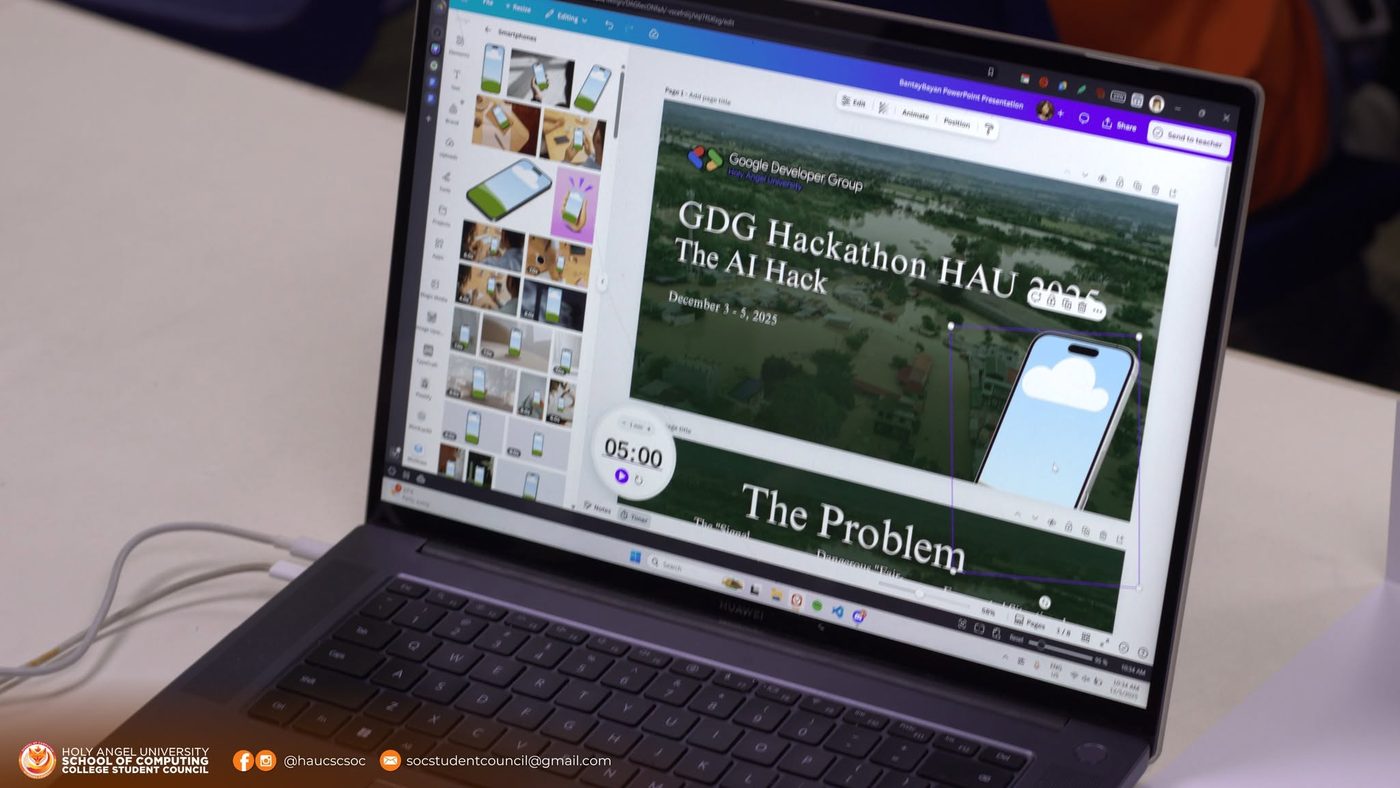
My favorite photo from the whole event is in the gallery below, and it is not a pitch. It is a laptop on the morning of the demos with the deck still being built in Canva. Everyone plans to prepare the pitch the night before. Nobody does. I have taught long enough to find that reassuring rather than alarming.
The team that won ignored me
First place, and Best Use of Gemini API, went to The Great Dane-ger for a project called Dori: an augmented reality memory aid for people living with dementia. Point the phone at a person, and it tells you who they are and when you last spoke. External memory, worn on your face. They say they built it in a 27 hour sprint.
Which is, on my own slide, the trap. I stood up on Wednesday and warned everyone off exactly that shape of project: heavy client-side work, a model doing recognition in real time, a demo that dies if the room's wifi has an opinion. Build the boring MVP, I said. They did not build the boring MVP.
They also happened to hit all four questions at once, which is why the advice was still right and the scope warning was still beatable. Relevant, because everybody in that room has a grandparent. Frontier, because it sees and remembers rather than chats. Responsible, because "who is this person and when did I last talk to them" is a claim with a source attached to it. And feasible turned out to be a different number than I had guessed, because four people who had already decided what they were building on day one had a lot more hours than the teams still arguing about it on day two.
Credit where it goes: Jansen Cruz, Elicia Klyde Martigne Apostol, Jose Gian Tubera and Paul Andrei Calma, with a faculty adviser behind them. And worth noting for the host school, they were not from it. That is the good version of a regional event.
What I would flag
The same scoring tension appears in Ten Times Zero Is Still Zero: automation can scale the work, but a person still has to own the judgment.
I judged demos, not systems. A demo is a performance of a system, and the gap between the two is where half of my professional life is spent. Three days of code cannot be assessed in five minutes by someone watching a screen from twelve feet away, and I want to be honest that the scores reflect what was shown more than what was built.
The weights are the part I am still thinking about. Innovation and technical execution took half the sheet between them, and responsible AI took fifteen percent, which is close to the inverse of the argument I make everywhere else. That is not a complaint about the sheet, which has to be built before anyone knows what will walk through the door, and a hackathon that weighted governance highest would be a different and probably duller event. It is a question I would like to have asked out loud while there was still time to discuss it: what does a competition say it values, and does the arithmetic agree. I scored the sheet I was given, because that is the job when you are a guest.
And the last one, which is the reason this is worth writing down at all. My advice biases toward finishing. It is good advice, and it produces solid, small, safe projects that lose. The team that won took the swing I would have talked them out of. So the honest amendment to the workshop is: know exactly which rule you are breaking, and pay for it in preparation rather than in optimism.
The deck is at the top of this page, ideation playbook and all. The hackathon was one room inside the first Regional AI Conference, which the School of Computing wrote up here, and the winners told their own story on LinkedIn. Thanks to GDG on Campus HAU for the invitation, and for handing a nameplate to someone who had already told everybody what he thought.