Fifteen full-stack apps from a semester I almost did not survive
studentsstudent-workfullstackreacthauapsi
Four sections, three of them inherited, one very tired instructor
I will start with the unflattering part. This semester I taught four sections of full-stack JavaScript, and three of them I picked up partway through, from another instructor, at midterms. I built a whole grading platform mostly so the grading would stop burying me. It mostly worked.
Then the final projects came in, and I stopped being tired for about a week.
The brief: a React front end, an Express API, a PostgreSQL database, deployed somewhere a stranger can reach, with a security checklist and an honest write-up of how AI was used. Around a hundred and twenty-seven projects came in across the four sections, a snapshot count of what I graded.
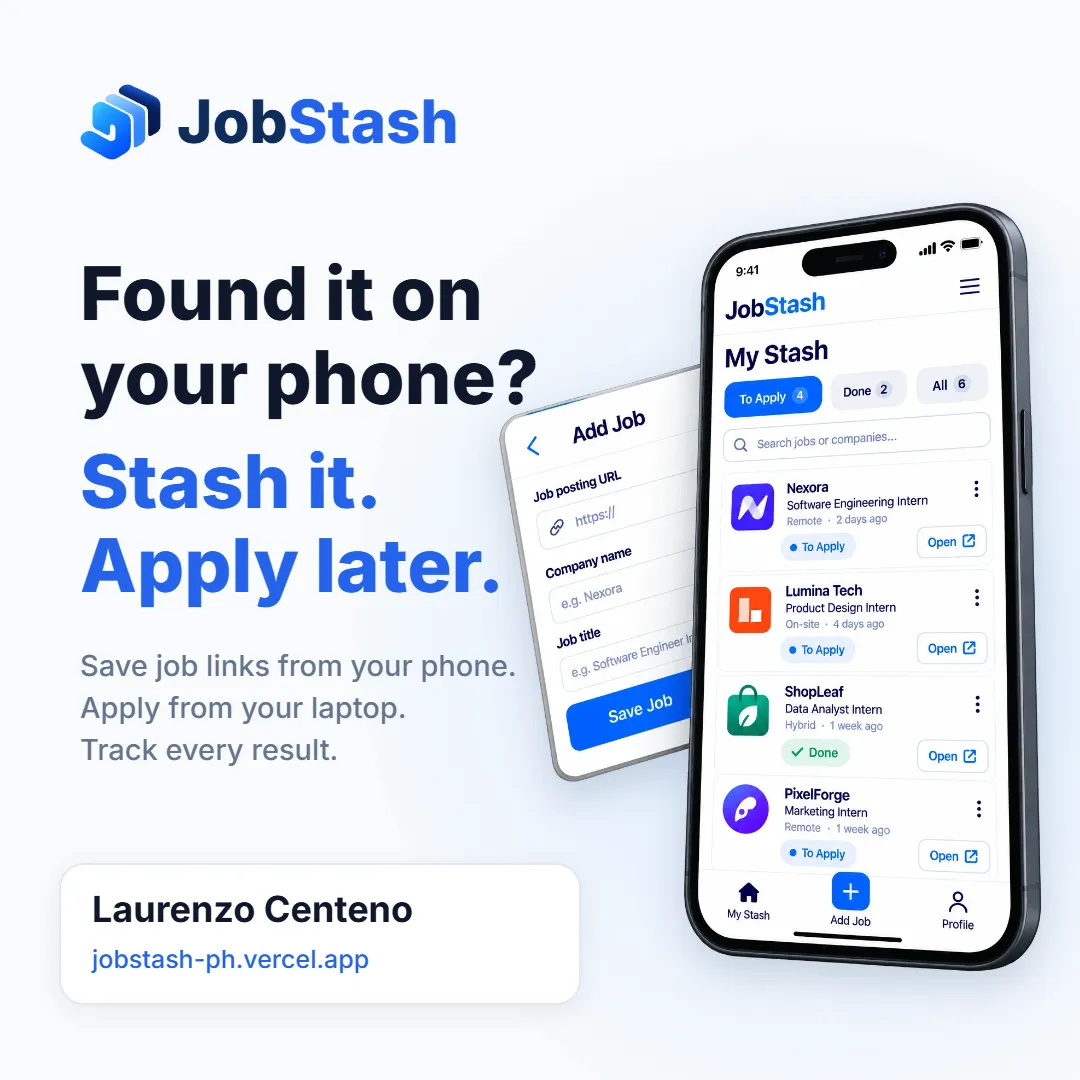
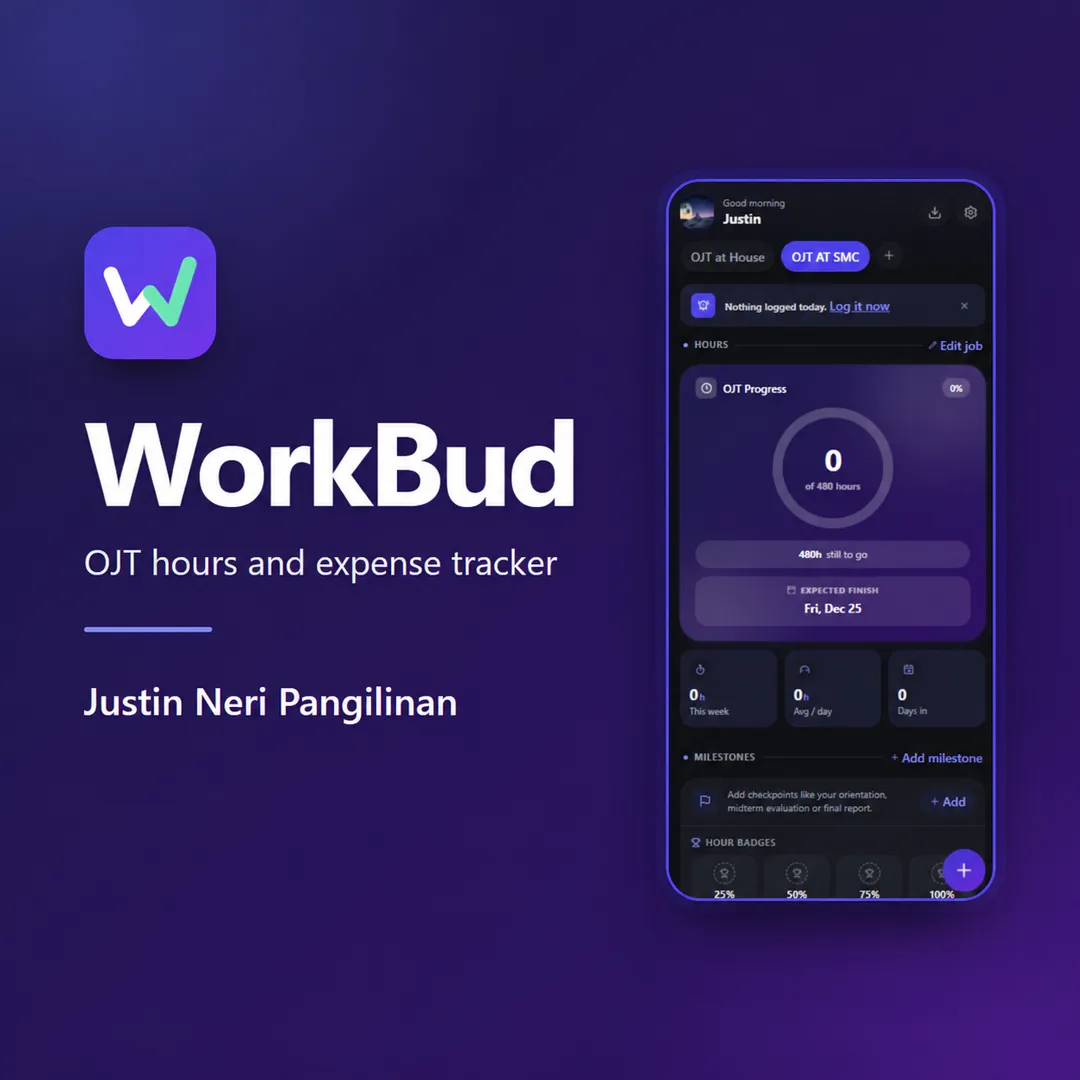
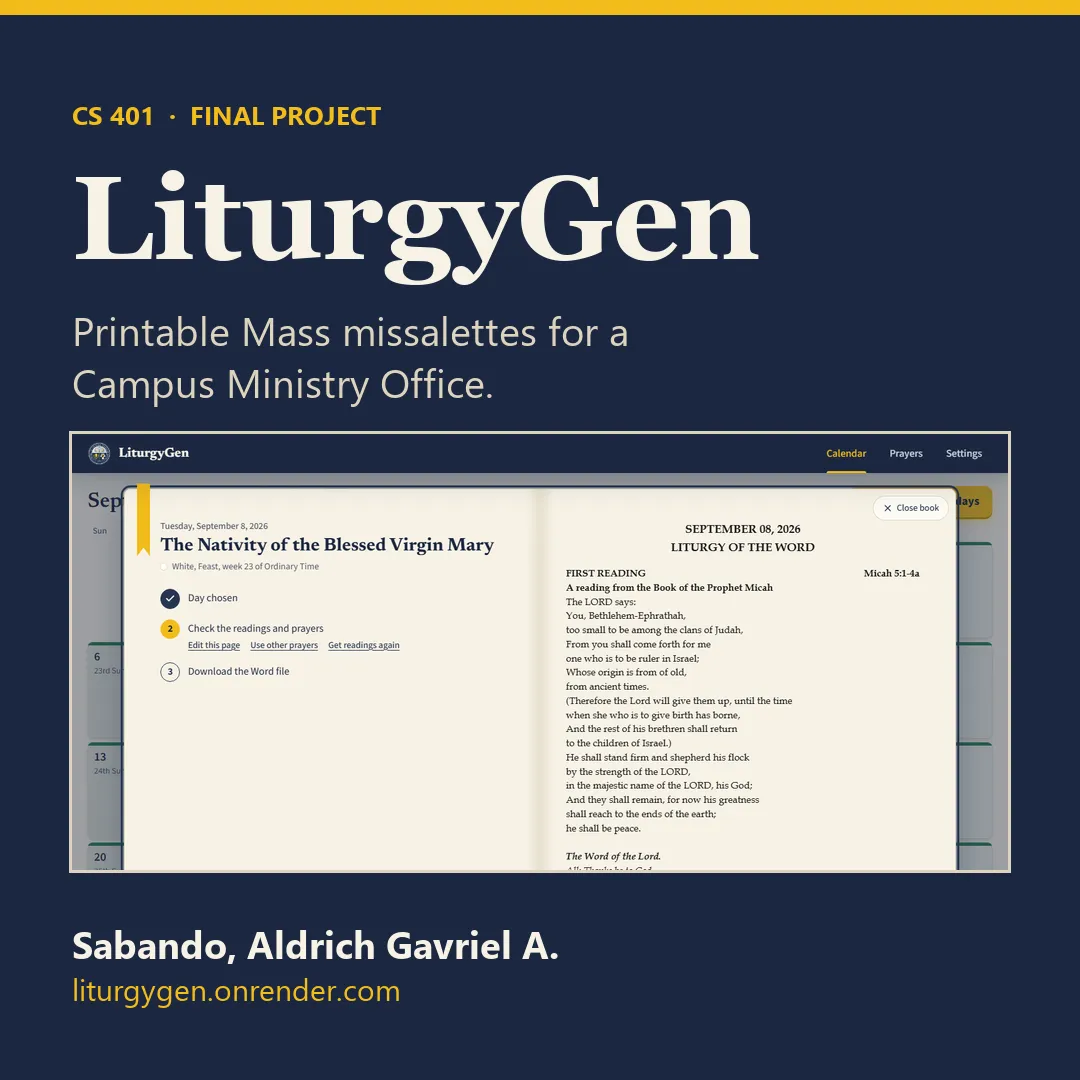
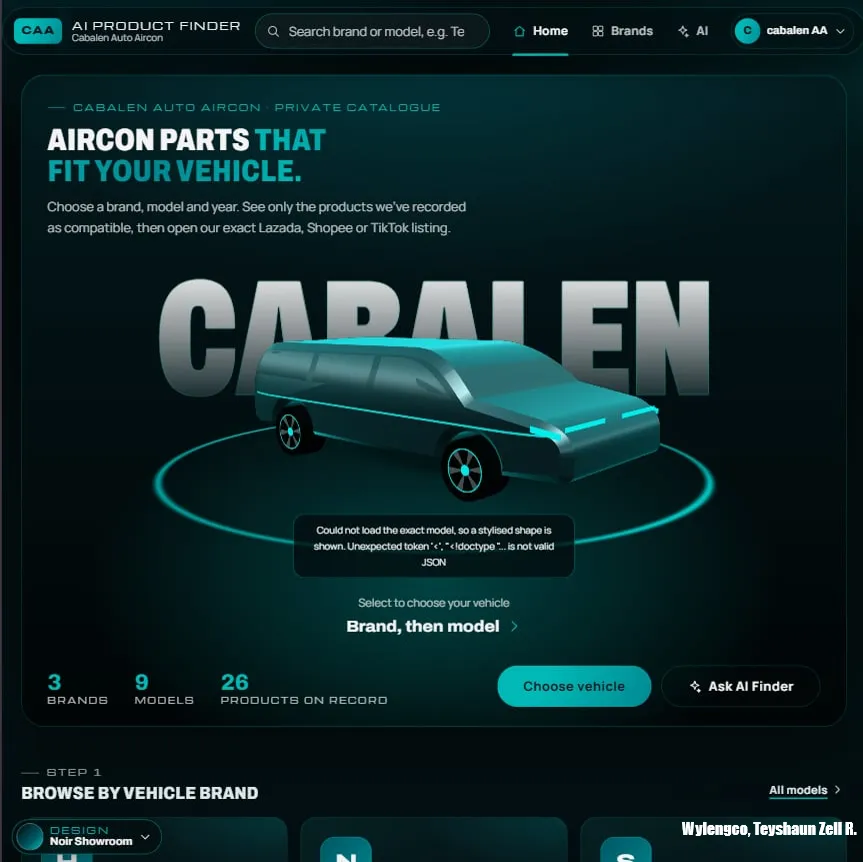
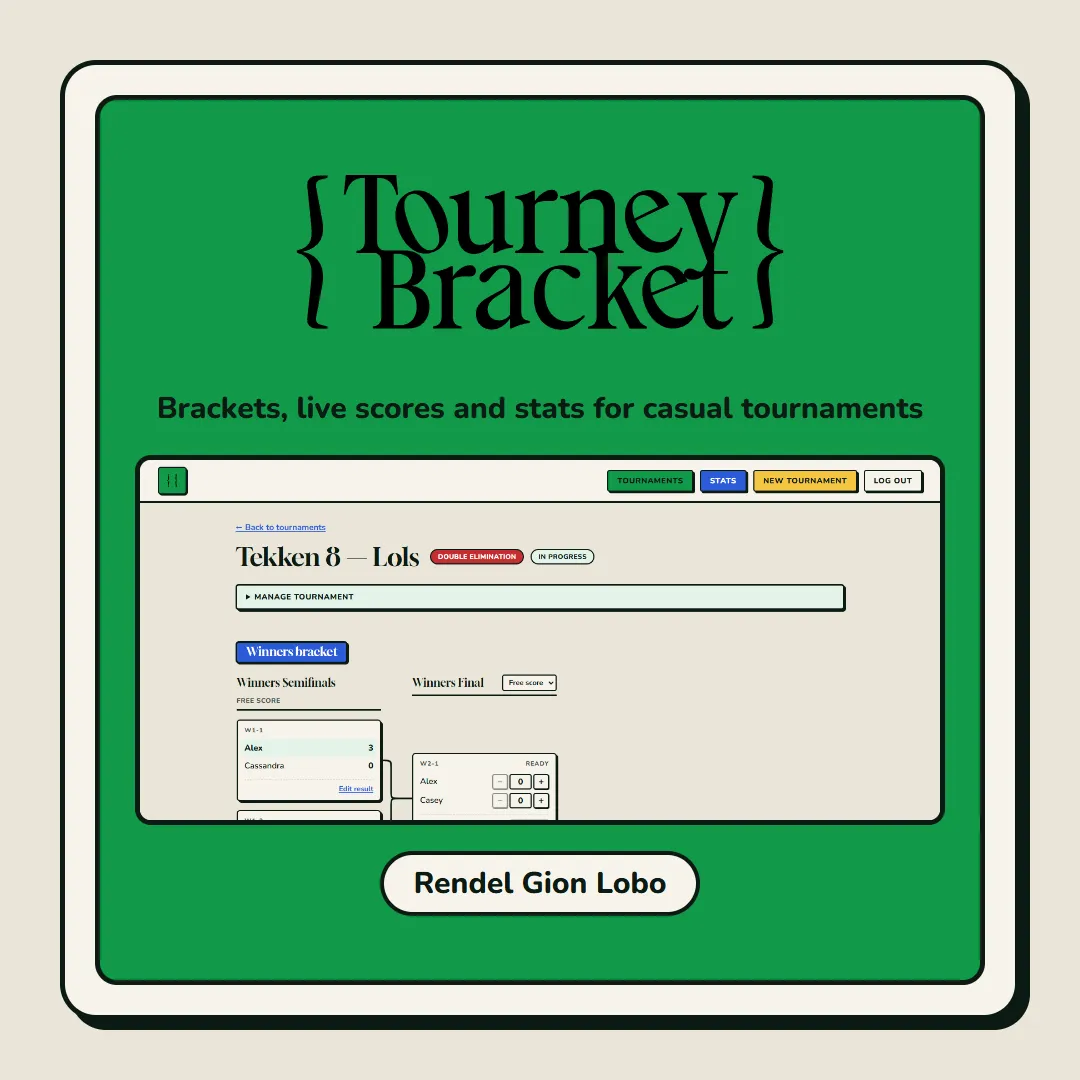
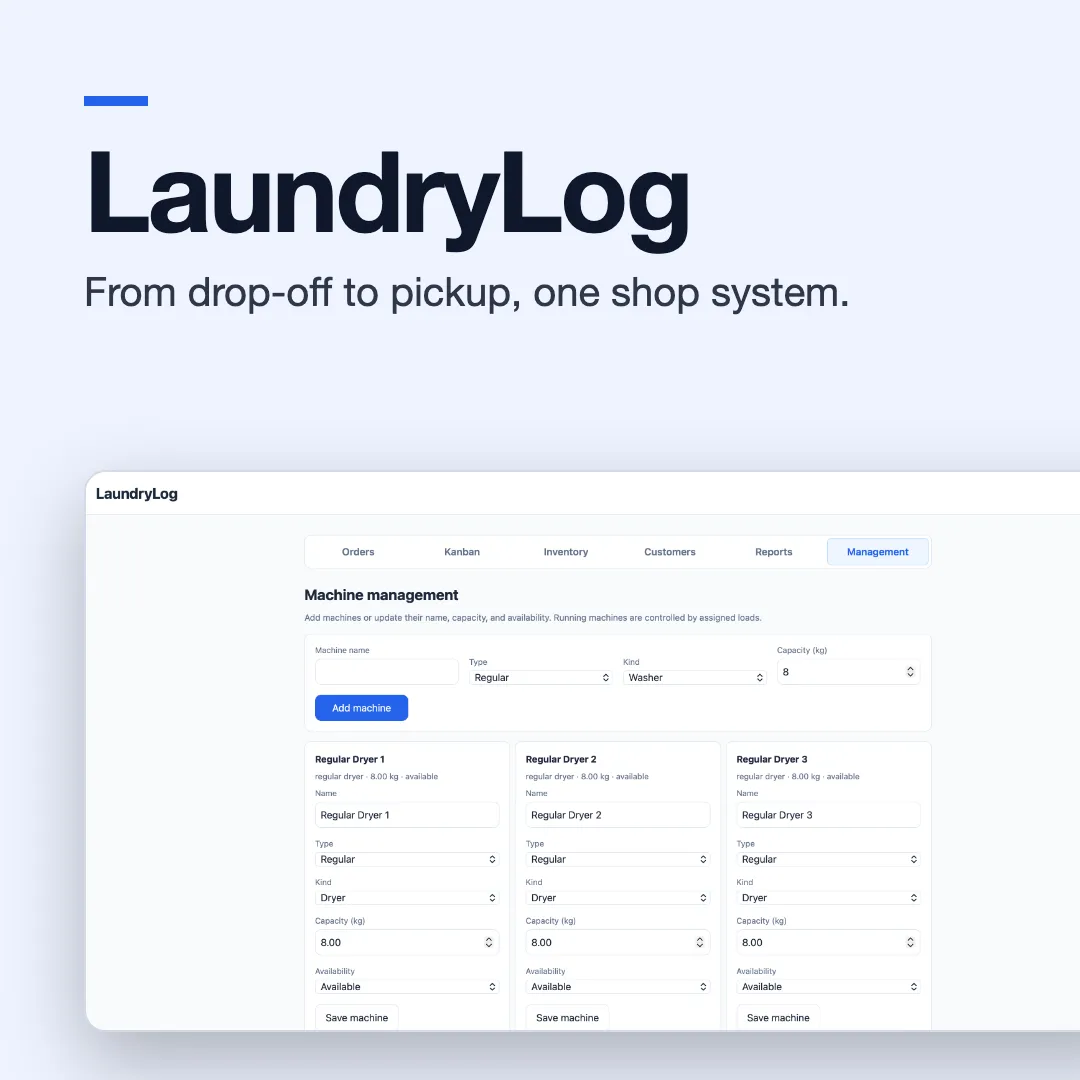
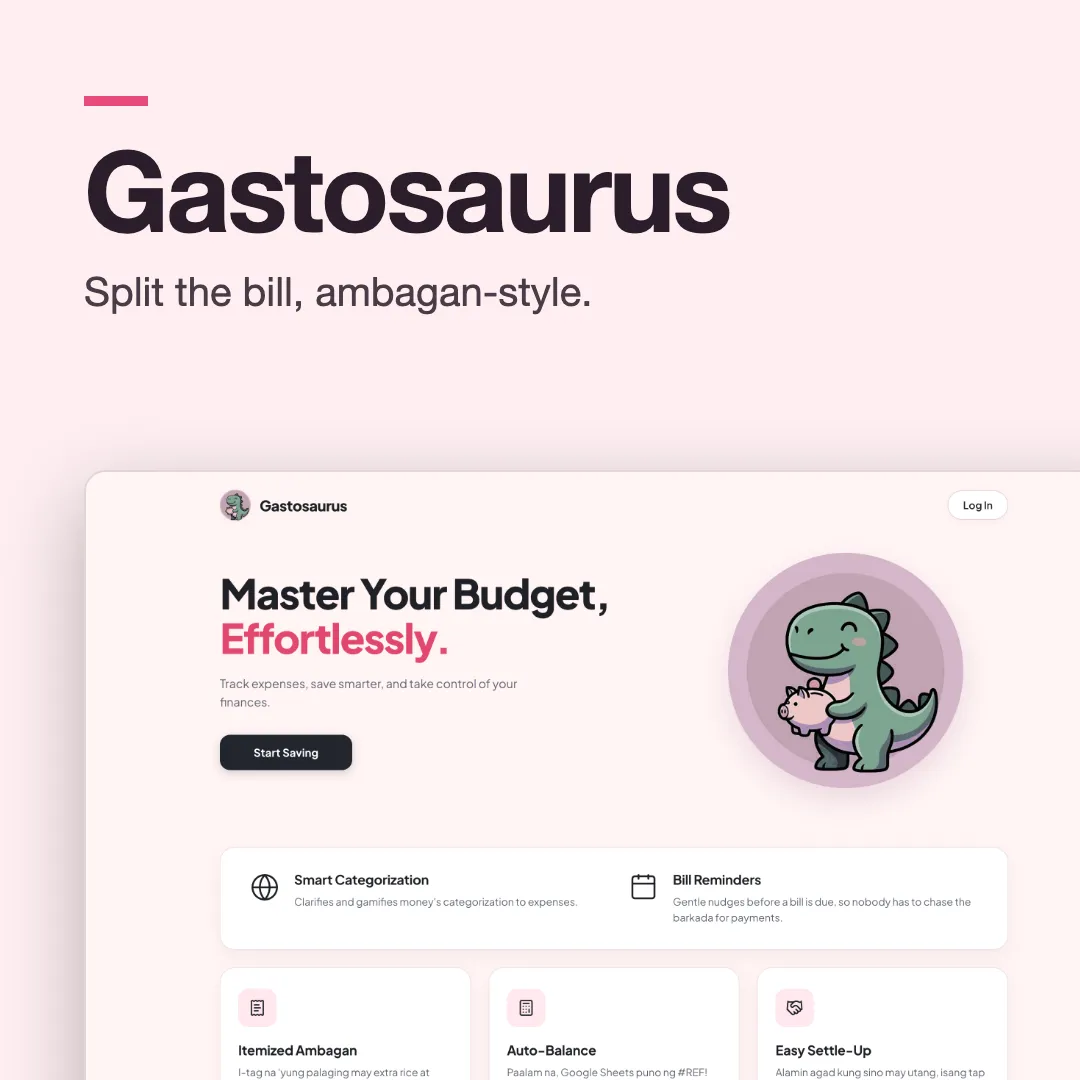
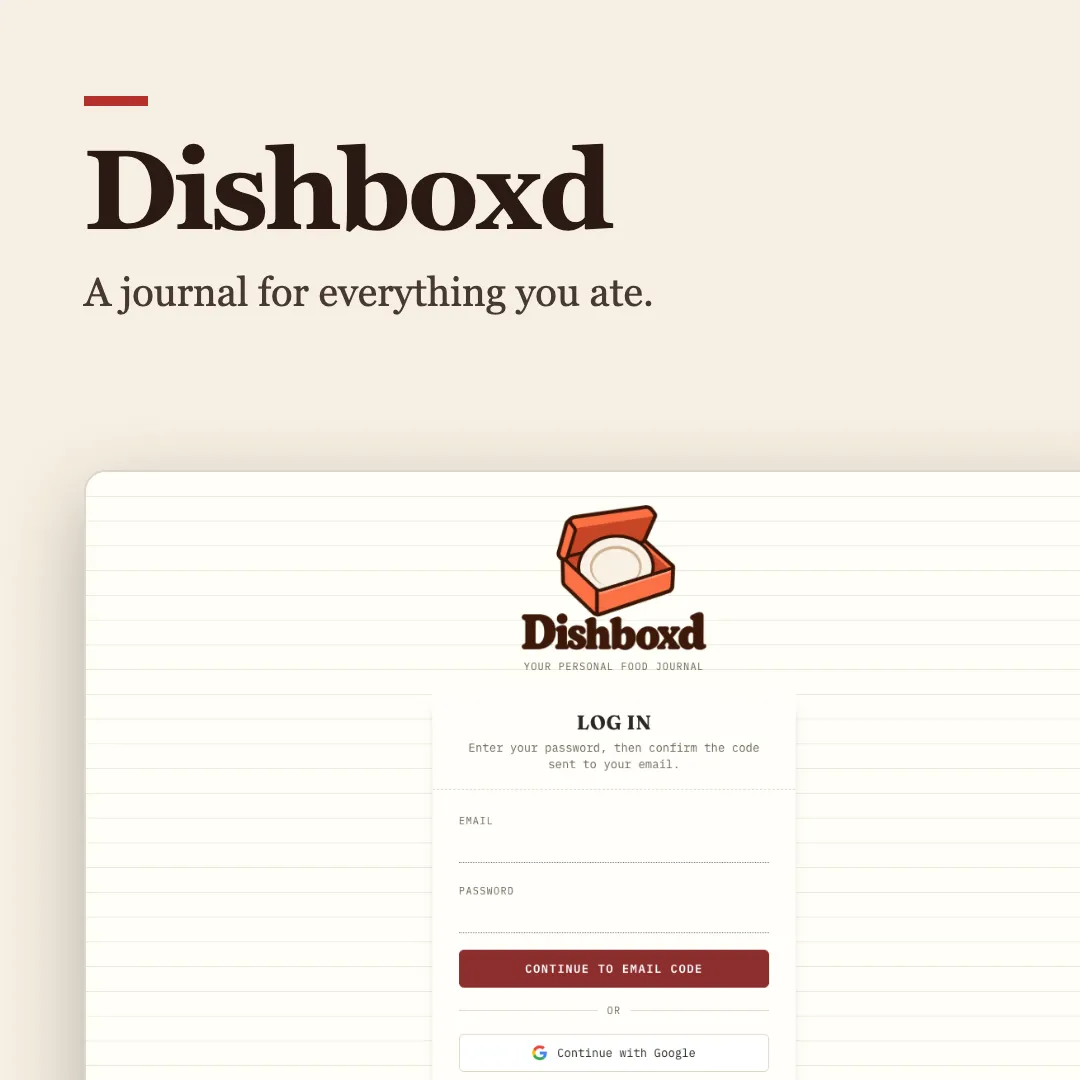
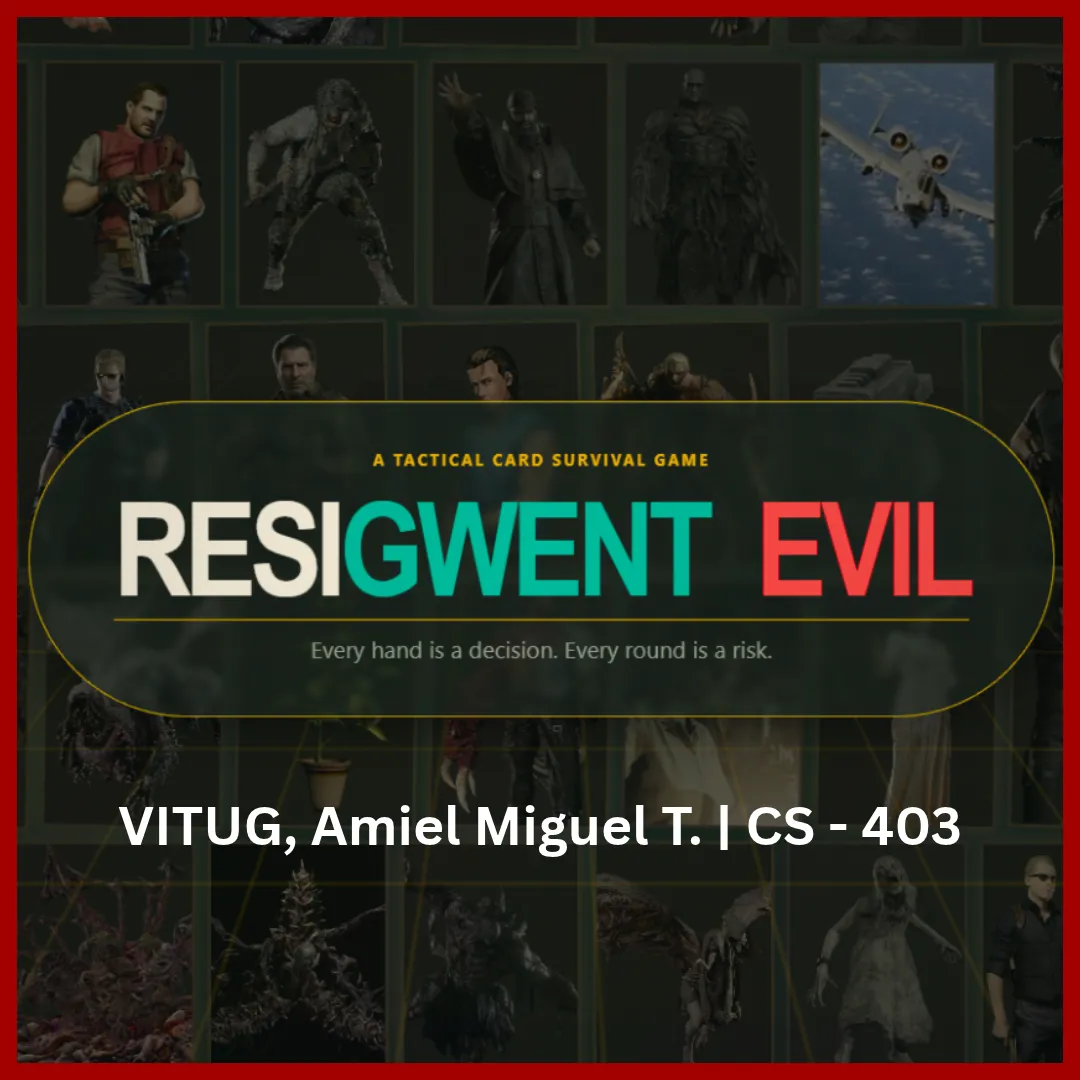
The ones on this page are not here for being the biggest. They are here because somebody picked a real person with a real problem, a campus ministry office, a family aircon shop, a small landlord, every org officer with a Google Form, and built the thing that person needed.
Ten times zero is still zero. These students brought something to multiply.
A few honest notes before you click. Most of these apps sit behind a sign-in, so several pages use the students' own screenshots of the inside. A couple of them run on free servers that nap, so give them a minute. Each card opens a page for the project.
The strongest write-ups on this page are the AI-usage notes. Students said, plainly, which parts Claude or ChatGPT or Codex wrote, where it got things wrong, and what they changed. That is the habit I most want them to keep, and several of them already do it better than people I work with.
Thank you for letting me show your work. I am genuinely proud of this semester, and almost all of that is your doing.
Four sections of full-stack JavaScript this semester at the School of Computing, Holy Angel University. I nearly drowned in grading until the final projects came in.

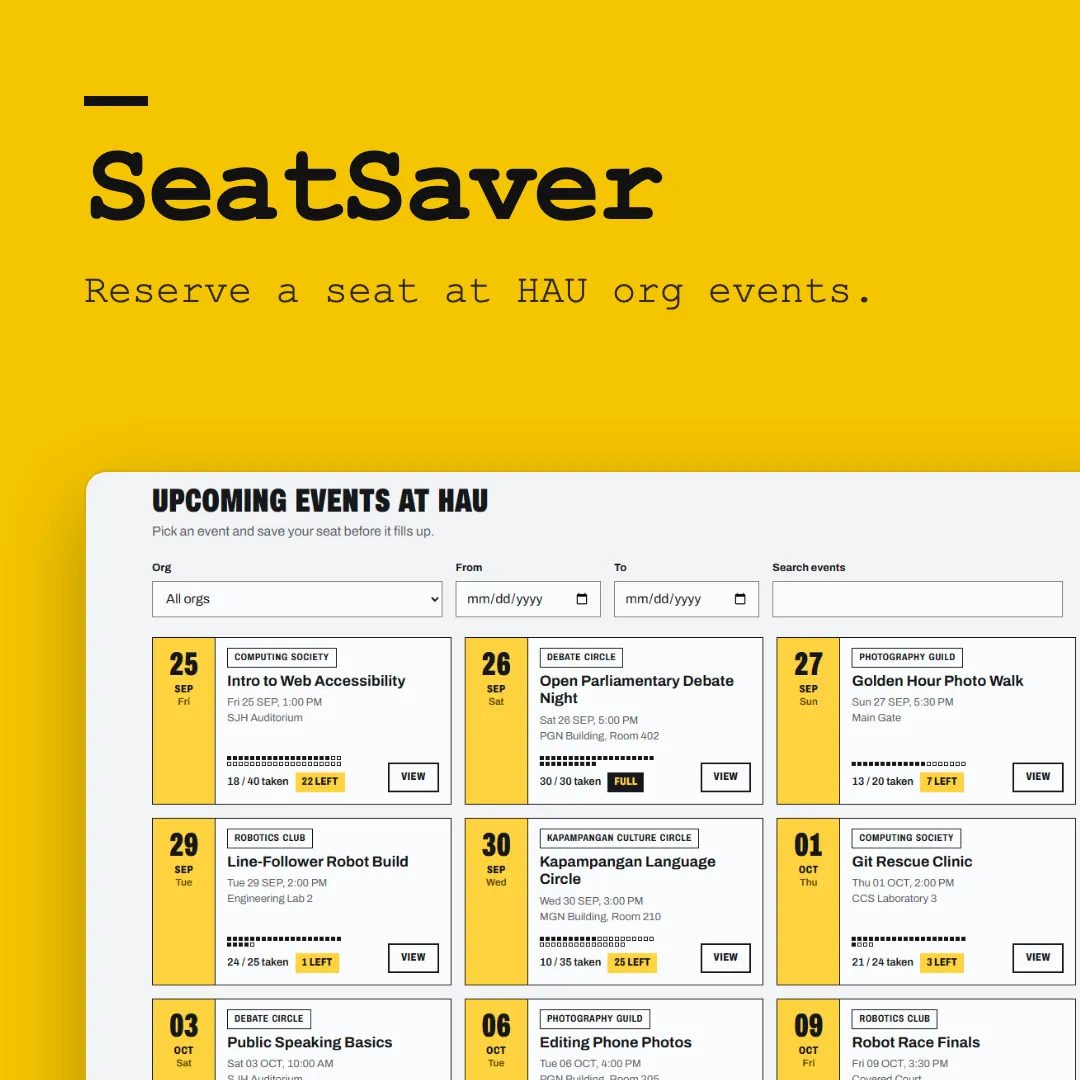
The top projects were: A job-hunting clipboard with a better pitch than most startups. A missalette generator built for a real campus ministry office. A rent tracker for small landlords. A seat-reservation system every student org needs.

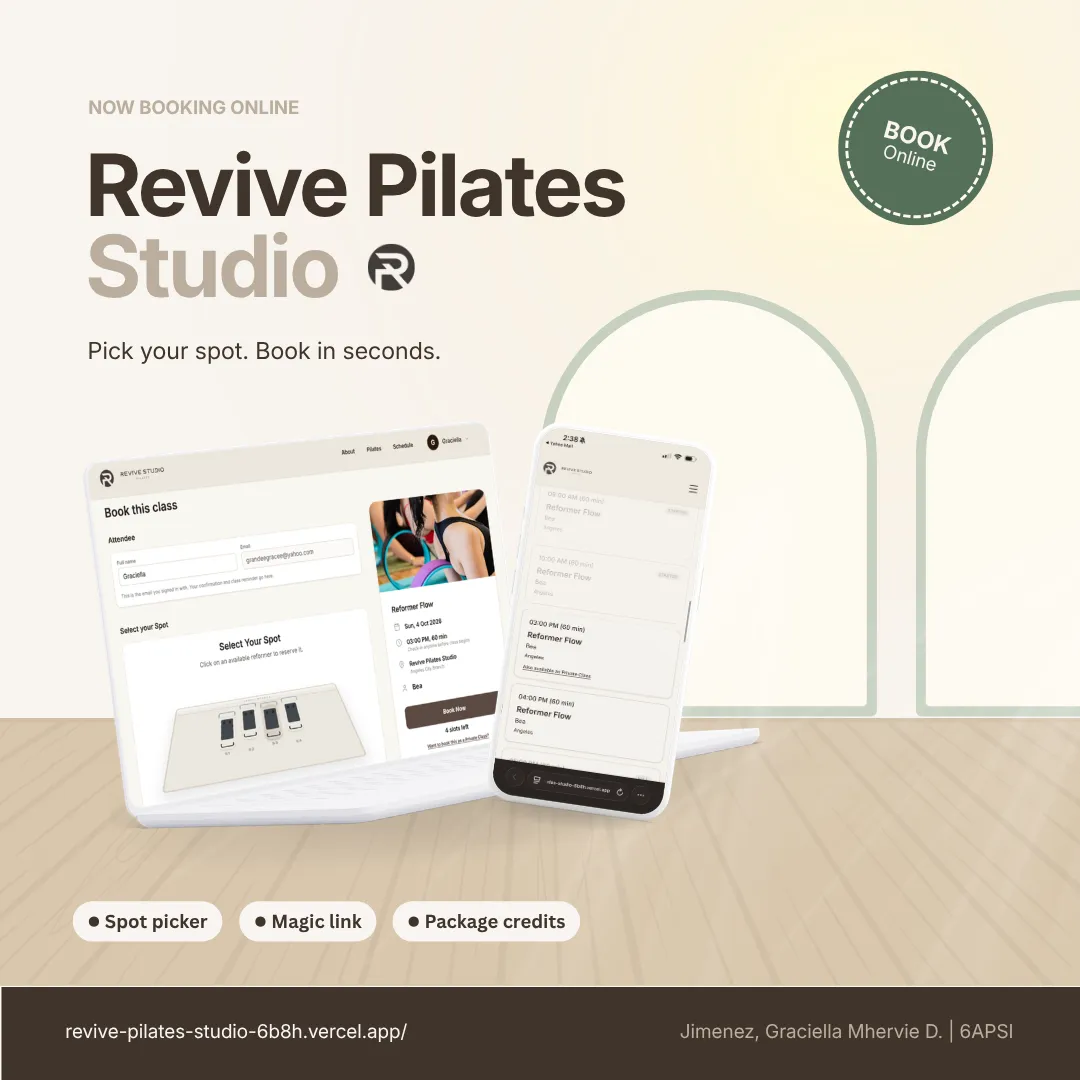
Tagging the builders I could find on LinkedIn: Ranz Emmanuel Cuarto (LaundryLog), Matt Lara (Roomy), Graciella Jimenez (Revive Pilates Studio), Angelo Tristan Sinohin (SeatSaver). If you built one of the others, send me your profile and I will tag you.

Fifteen of them, with a page each: https://tjakoen.github.io/calendar/2026-s1-apsi-students

Repos and live links are on each project's page.